
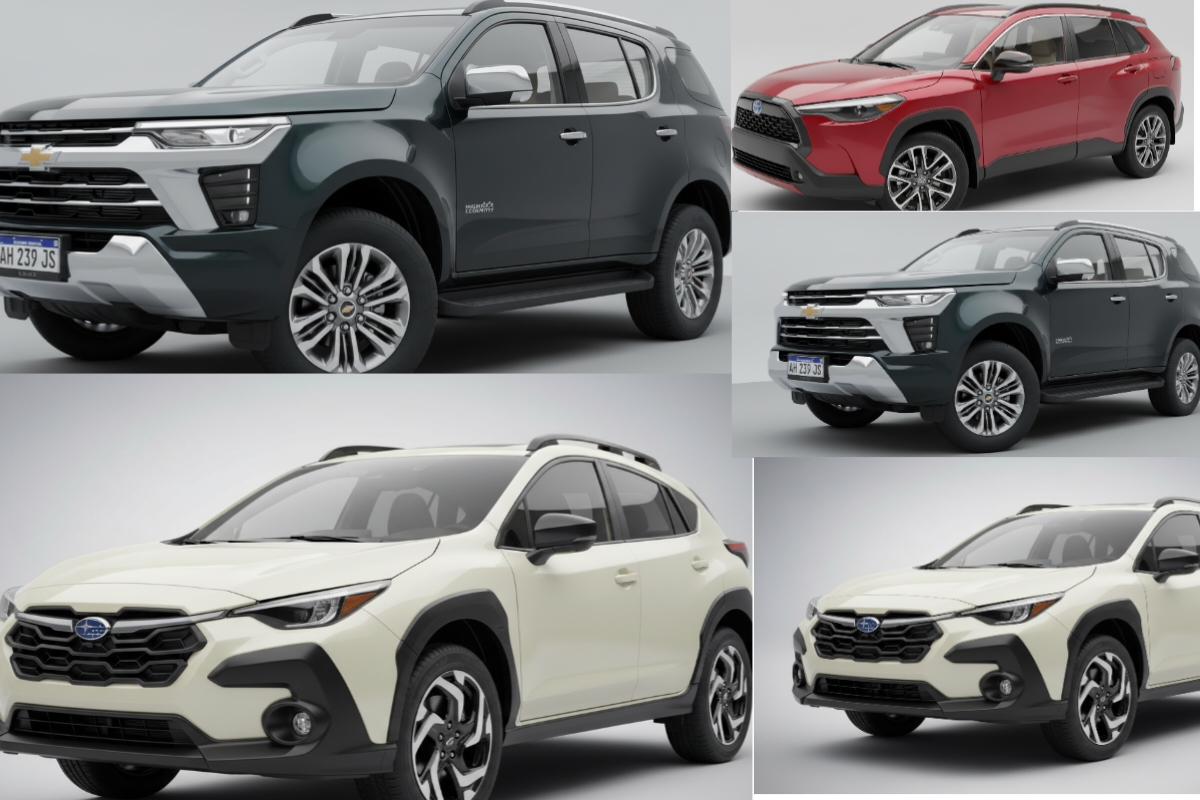
The Rise of Affordable Small SUVs in 2025
The automotive landscape has undergone a dramatic transformation in recent years. The once-dominant affordable small sedan and hatchback have been largely replaced by their SUV counterparts. These compact crossovers offer the perfect combination of practicality, efficiency, and elevated driving position that modern drivers demand—all while maintaining accessible price points under $30,000.The Ultimate 2025 Small SUV Showdown
For 2025, the competition in the sub-$30,000 SUV segment has never been more intense. Manufacturers have poured resources into developing vehicles that deliver surprising levels of refinement, technology, and versatility at price points that were unimaginable just a few years ago. We’ve gathered nine of the most compelling models and subjected them to rigorous real-world testing to determine which ones truly deliver on their promises and which fall short of the mark.
From interior comfort and infotainment technology to driving dynamics and overall value proposition, we’ve evaluated every critical aspect to save potential buyers the considerable time and effort of scheduling multiple dealership visits and test drives. Our testing methodology focuses on the factors that matter most to real-world consumers: daily usability, family-friendly features, technology integration, and long-term comfort.
Here’s our definitive ranking of the best affordable small SUVs for 2025, starting from the least impressive and working our way to the segment leader.
. Mazda CX-30: The Style That Can’t Compensate for Substance
Starting Price: Under $25,000
Once positioned as a strong contender in the premium-compact crossover segment, the Mazda CX-30 has unfortunately slipped to the bottom of our rankings for 2025. While it maintains the brand’s reputation for attractive styling and engaging driving dynamics, several critical shortcomings have become increasingly apparent as competitors have improved.
Strengths:
- Exterior Design: Beautiful, sophisticated styling that stands out in a crowded segment
- Driving Dynamics: Engaging handling and responsive steering that enthusiasts will appreciate
- Interior Quality: High-grade materials and excellent fit-and-finish throughout the cabin
Weaknesses:
- Cramped Interior Space: The CX-30 feels noticeably smaller inside than many competitors, with severely compromised rear legroom and one of the smallest cargo areas in this class
- Poor Outward Visibility: The small rear window combined with massive blind spots over both shoulders creates significant visibility challenges
- Dated Technology: Most versions feature a small screen controlled by a central dial rather than touch capability, and even when touch screens are available, they’re mounted too high to reach comfortably
The Bottom Line: The Mazda CX-30’s dated technology interface and cramped interior space make it difficult to recommend in 2025, despite its attractive design and enjoyable driving characteristics. For drivers who regularly carry passengers or prioritize the latest tech features, there are better options available.
. Toyota Corolla Cross: The Disappointing Sibling
Starting Price: Mid-$20,000s
While Toyota’s RAV4 continues to dominate the compact SUV segment, the Corolla Cross falls surprisingly short of expectations. Despite sharing DNA with one of the market’s most popular vehicles, this smaller crossover demonstrates that the Toyota magic doesn’t always translate down the lineup.
Strengths:
- Ride Comfort: Excellent ride quality that effectively absorbs road imperfections without feeling too soft in corners
- Standard Technology: Wireless Apple CarPlay and Android Auto come standard across all trim levels
- Safety Features: Comprehensive suite of standard safety technology including automatic emergency braking, lane keeping assist, and adaptive cruise control
- Powertrain Options: Availability of both gasoline and hybrid powertrains provides flexibility for different buyer preferences
Weaknesses:
- Challenging Car Seat Installation: Narrow door openings complicate child seat placement and installation
- Tight Interior Dimensions: Less passenger space than key competitors, especially problematic with rear-facing car seats
- Budget Interior Materials: Hard, scratchy plastics dominate the cabin, creating a cheap overall impression
The Bottom Line: The Toyota Corolla Cross offers decent ride quality and impressive standard safety technology but is hampered by its low-rent interior and cramped quarters compared to segment leaders. Toyota loyalists may find it acceptable, but more discerning shoppers should look elsewhere.
. Subaru Crosstrek: The Capable Compromise
Starting Price: High-$20,000s
The Subaru Crosstrek occupies a unique position in this segment as the only vehicle with genuine off-road capability, particularly in its Wilderness trim. Even for drivers who never venture beyond pavement, it offers several compelling attributes that justify consideration, though interior shortcomings prevent it from ranking higher.
Strengths:
- All-Weather Capability: Standard all-wheel drive and generous ground clearance provide confidence in adverse conditions
- Ride Quality: Comfortable, compliant suspension that handles rough roads with ease
- Car Seat Accommodation: Wide doors and clever Velcro latch covers simplify child seat installation
- Accessibility: Easy entry and exit height benefits those with mobility challenges
Weaknesses:
- Uncomfortable Seating: Excessively firm front seats lack support for long-distance comfort
- Excessive Cabin Noise: Significant wind noise combined with surprisingly loud AC vents create a noisy environment
- Poor Driver Assistance Systems: Bouncy lane keep assist and unsmooth adaptive cruise control diminish the driving experience
- Dated Infotainment: Low-resolution screen feels a generation behind competitors despite its large size
The Bottom Line: The Subaru Crosstrek excels in all-weather capability and ride comfort but is let down by uncomfortable seats, excessive noise, and disappointing technology implementation. It’s the right choice for adventurous drivers but falls short as a daily commuter.
. Chevrolet Trailblazer: The Solid Performer
Starting Price: Mid-$20,000s
Chevrolet’s Trailblazer represents one of the brand’s most successful entries into the competitive small SUV segment, offering a well-rounded package with few significant flaws. It strikes an admirable balance between practicality, comfort, and available features.
Strengths:
- Spacious Interior: Generous passenger room with exceptionally comfortable front seats
- User-Friendly Controls: Simple, intuitive climate controls and straightforward overall layout
- Modern Technology: Wireless Apple CarPlay, Android Auto, and available wireless charging
- All-Wheel Drive Availability: AWD offered across all trim levels for all-weather confidence
Weaknesses:
- Escalating Costs: Can approach the low-$30,000 range when fully optioned with desirable features
- Premium Feature Limitations: Heated seats, automatic climate control, and blind spot monitoring typically require upgrade packages
- Manual AWD Engagement: Unlike competitors’ automatic systems, requires manual button activation
The Bottom Line: The Chevrolet Trailblazer delivers a comfortable, user-friendly experience with broad appeal, though it becomes less compelling as prices approach the $30,000 mark. A strong choice for those prioritizing comfort and simplicity.
. Nissan Kicks: The Urban Specialist
Starting Price: Low-$20,000s
The Nissan Kicks makes a strong first impression with its attractive design and appealing entry price, positioning itself as an ideal urban runabout. However, driving dynamics reveal significant shortcomings that limit its broader appeal.
Strengths:
- Modern Interior Design: Contemporary dashboard layout with well-integrated technology elements
- Surprising Feature Availability: Higher trims offer premium features like surround-view monitor and parking sensors
- Thoughtful Control Layout: Physical buttons and knobs for frequently used functions rather than touchscreen-dependent interfaces
- Competitive Pricing: Among the most affordable entries in this segment
Weaknesses:
- Uncomfortable Ride Quality: Excessively stiff suspension transmits too much road imperfection
- Severe Lack of Power: The slowest acceleration in this group, creating potential safety concerns in merging situations
- Disappointing Real-World Efficiency: All-wheel drive versions fail to achieve EPA estimates in normal driving conditions
The Bottom Line: The Nissan Kicks offers compelling value and attractive styling for urban dwellers but is ultimately undermined by its poor driving dynamics and inadequate performance. Best suited for city-centric drivers with minimal highway needs.
. Honda HR-V: The Practical Choice
Starting Price: Mid-$20,000s
The Honda HR-V inherits much of the beloved Civic’s sensible DNA but falls short of class leadership due to several key compromises. It excels in traditional Honda strengths while demonstrating some unexpected weaknesses.
Strengths:
- Exceptional Interior Space: Class-leading rear seat and cargo room thanks to Honda’s packaging expertise
- High-Quality Materials: Interior surfaces and controls feel more premium than many competitors
- Excellent Ride Quality: Perfectly balanced suspension that manages bumps without feeling disconnected from the road
- Proven Reliability: Honda’s reputation for long-term durability and retained value
Weaknesses:
- Sparse Rear Seat Amenities: No charging ports, air conditioning vents, or center armrest for rear passengers
- Uncomfortable Front Seats: Lack adequate cushioning and lumbar support for extended comfort
- Dated Technology Interface: Smaller screens without available Google integration found in the Civic
- Mediocre Driver Assistance: Frequent false alarms and unresponsive adaptive cruise control
The Bottom Line: The Honda HR-V delivers exceptional practicality and trusted quality but is hampered by uncomfortable seats, dated tech, and lackluster performance. The right choice for space-conscious buyers who prioritize utility over comfort.
. Buick Envista: The Stylish Statement
Starting Price: High-$20,000s
Buick’s entry into the affordable premium segment brings distinctive styling and solid technology in an attractive package. The Envista successfully differentiates itself from mainstream competitors, though practical compromises prevent it from reaching the top spots.
Strengths:
- Excellent Technology Implementation: Standard large touchscreen with digital gauge cluster and wireless smartphone integration
- Distinctive Design: Coupe-like profile stands out in a segment of conservative designs
- Upscale Interior Treatment: Higher-quality materials than mainstream competitors create a premium atmosphere
- Modern Aesthetics: Contemporary styling that looks more expensive than its price suggests
Weaknesses:
- Compromised Cargo Space: Sloping roofline significantly limits utility and practicality
- Reduced Rear Headroom: Stylish design comes at the expense of passenger comfort in the back seat
- Missing Premium Features: No dual-zone automatic climate control or other expected premium amenities
- No All-Wheel Drive: Front-wheel drive only, unlike many competitors
The Bottom Line: The Buick Envista offers attractive styling and good technology in a premium-feeling package but sacrifices too much practicality to rank higher. Ideal for style-focused urban drivers who don’t require all-weather capability.
. Chevrolet Trax: The Value Champion
Starting Price: Low-$20,000s
The Chevrolet Trax represents perhaps the most compelling value proposition in the entire small SUV segment, offering surprising features and capability at an exceptionally accessible price point. It demonstrates that budget-friendly doesn’t have to mean bare-bones.
Strengths:
- Exceptional Value: Lowest starting price in this comparison while offering modern features
- Generous Standard Equipment: Wireless Apple CarPlay, Android Auto, and available heated seats
- User-Friendly Interface: Simple, intuitive controls with physical buttons for key functions
- Practical Interior Design: Boxy shape provides more usable space than similarly-sized competitors
Weaknesses:
- No All-Wheel Drive: Unlike the Trailblazer, Trax is front-wheel drive only
- Sparse Rear Seat Amenities: No cupholders or air conditioning vents for backseat passengers
- Limited Cargo Width: Cannot accommodate golf clubs sideways in the cargo area
- Basic Interior Materials: Some cost-cutting evident in material choices
The Bottom Line: The Chevrolet Trax delivers incredible value and user-friendly features, making it our top recommendation for budget-conscious shoppers who don’t require all-wheel drive. Proof that affordable can still be excellent.
. Hyundai Kona: The Class Leader
Starting Price: High-$20,000s
The Hyundai Kona claims the top spot in our rankings by delivering a nearly perfect blend of style, technology, comfort, and value. It demonstrates how far the small SUV segment has evolved, offering premium features and refinement at a mainstream price point.
Strengths:
- Outstanding Interior Design: Modern, intuitive layout with high-quality materials throughout
- Comprehensive Standard Technology: Large touchscreen standard across all trims with excellent responsiveness
- Excellent Storage Solutions: Clever features like folding cupholders and extra storage shelves enhance practicality
- Spacious Accommodations: Generous rear seat room with proper amenities including air vents and USB ports
- Premium Feature Availability: Heated and ventilated seats, surround-view camera, and comprehensive connectivity
Weaknesses:
- Slightly Higher Price Point: Commands a modest premium over some competitors
- No Significant Shortcomings: The most well-rounded vehicle in this segment
The Bottom Line: The Hyundai Kona justifies its slightly higher price with superior features, spaciousness, and overall refinement, making it our top pick in the affordable small SUV segment for 2025. The benchmark against which competitors should be measured.
2025 Small SUV Comparison Table
| Rank | Model | Starting Price | Overall Rating | Key Strengths | Main Weaknesses | Best For |
|---|---|---|---|---|---|---|
| 1 | Hyundai Kona | High-$20,000s | 9.0/10 | Premium features, spacious interior, excellent tech | Slightly higher price | Buyers wanting maximum features and refinement |
| 2 | Chevrolet Trax | Low-$20,000s | 8.5/10 | Exceptional value, user-friendly features | No AWD, sparse rear amenities | Budget-conscious shoppers |
| 3 | Buick Envista | High-$20,000s | 8.0/10 | Distinctive styling, good technology | Compromised cargo space, no AWD | Style-focused urban drivers |
| 4 | Honda HR-V | Mid-$20,000s | 7.5/10 | Spacious interior, quality materials | Uncomfortable seats, dated tech | Space-priority buyers |
| 5 | Nissan Kicks | Low-$20,000s | 7.0/10 | Attractive design, good value | Underpowered, stiff ride | City-focused drivers |
| 6 | Chevrolet Trailblazer | Mid-$20,000s | 7.5/10 | Comfortable interior, available AWD | Can become expensive with options | Those requiring AWD capability |
| 7 | Subaru Crosstrek | High-$20,000s | 7.0/10 | Off-road capability, comfortable ride | Noisy cabin, poor infotainment | Adventurous drivers |
| 8 | Toyota Corolla Cross | Mid-$20,000s | 6.5/10 | Comfortable ride, standard safety tech | Cheap interior, cramped space | Toyota loyalists wanting hybrid option |
| 9 | Mazda CX-30 | Under $25,000 | 6.0/10 | Beautiful design, engaging drive | Cramped interior, dated tech | Driving enthusiasts |
Detailed Performance Metrics
Powertrain and Efficiency Comparison
- Hyundai Kona: Balanced performance with competitive fuel economy
- Chevrolet Trax: Adequate power for daily needs with impressive efficiency
- Nissan Kicks: Severely underpowered but reasonable city fuel economy
- Mazda CX-30: Engaging performance with premium driving dynamics
- Subaru Crosstrek: Confident acceleration with standard all-wheel drive
- Toyota Corolla Cross: Available hybrid option provides excellent efficiency
Interior Space and Practicality
- Honda HR-V: Class-leading cargo capacity and rear seat space
- Hyundai Kona: Well-appointed interior with premium feel
- Chevrolet Trax: Surprisingly spacious despite compact dimensions
- Buick Envista: Style compromises utility in cargo area
- Mazda CX-30: Severely compromised rear seat and cargo space
Technology and Connectivity
- Hyundai Kona: Comprehensive standard features with premium options
- Buick Envista: Modern digital interface with excellent integration
- Chevrolet Models: User-friendly systems with wireless connectivity
- Subaru Crosstrek: Large but low-resolution display with poor responsiveness
- Mazda CX-30: Dated interface with awkward control layout
Final Recommendations and Buying Advice
Choose the Hyundai Kona if:
You want the most well-rounded vehicle with premium features and are willing to pay slightly more for the best overall ownership experience. The Kona delivers exceptional value through its comprehensive standard equipment, spacious interior, and refined driving dynamics.
Choose the Chevrolet Trax if:
Value is your primary concern and you don’t require all-wheel drive. The Trax delivers an impressive feature set at an unbeatable price point, making it the smartest financial choice in this segment.
Consider the Buick Envista if:
Style and design are priorities and you’re willing to sacrifice some practicality for distinctive aesthetics. The Envista offers premium styling and good technology in an attractive package.
Avoid the Mazda CX-30 if:
You regularly carry passengers or need the latest technology. Its cramped quarters and dated infotainment significantly detract from the daily ownership experience.
The Future of Affordable Small SUVs
As we look toward the remainder of 2025 and beyond, several trends are emerging in the small SUV segment. Electrification continues to gain momentum, with more manufacturers announcing hybrid and fully electric variants of their popular models. Technology integration is becoming increasingly sophisticated, with larger screens, better connectivity, and more advanced driver assistance systems trickling down to affordable price points.
The competition in this segment shows no signs of slowing, with manufacturers recognizing that small SUVs represent the entry point for many new vehicle buyers. This intense competition benefits consumers through improved features, better quality, and more competitive pricing.
Our testing confirms that the Hyundai Kona and Chevrolet Trax currently set the standard for this competitive and rapidly evolving segment. Whether you prioritize comprehensive features and refinement or maximum value and simplicity, the 2025 small SUV market offers compelling options for every type of buyer.

Md Imran Rahimi is the founder and main author of TechScopeHub.in. He is passionate about technology, gadgets, and automobiles, and loves to share simple yet valuable insights with readers. With a focus on honest reviews and clear comparisons, Imran’s goal is to make technology easy and useful for everyone.”