
Introduction: Qualcomm Enters the AI Chip War
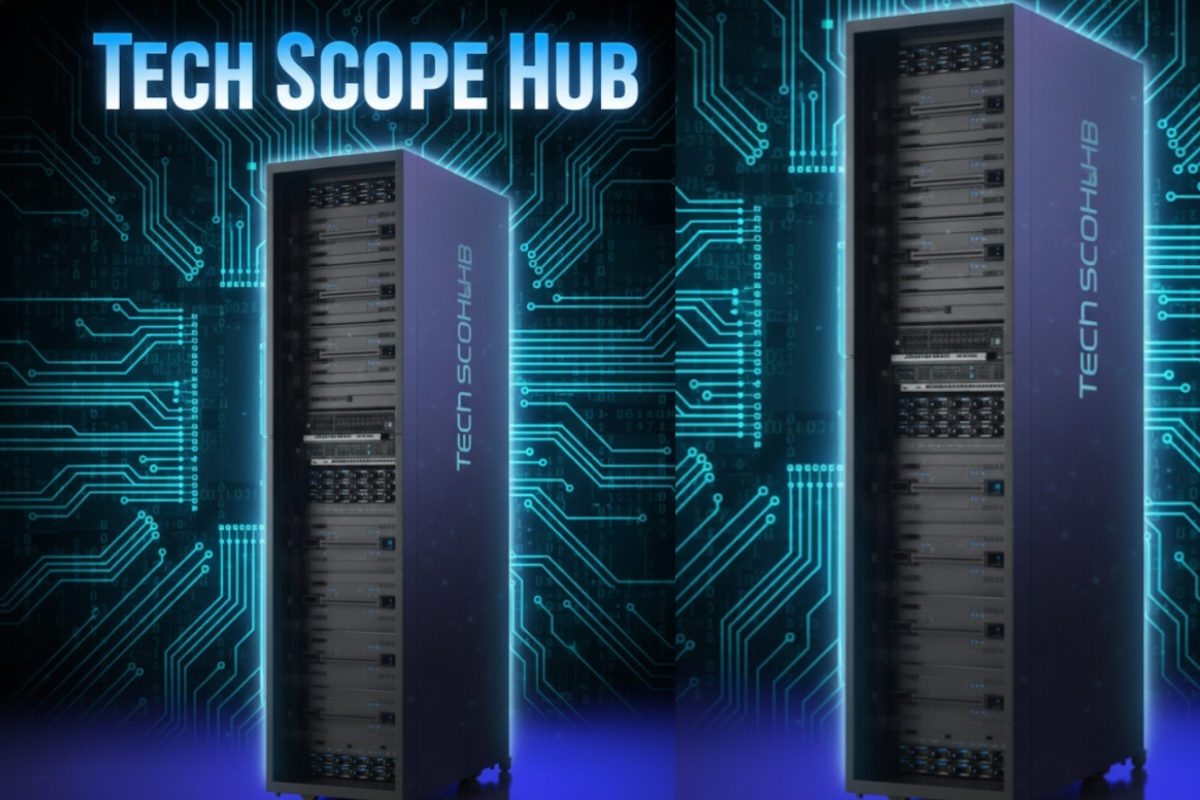
Qualcomm, long known for building its empire on smartphone processors, has made a bold shift into the AI data center chip market. The company announced a new lineup of AI accelerators scheduled to launch in 2026, signaling a strategic expansion from mobile silicon to artificial intelligence infrastructure.
The news sparked investor interest and a sharp rise in Qualcomm stock as markets reacted to the company’s move to compete with industry leaders like Nvidia.
What Are Qualcomm AI Accelerators?
Qualcomm’s new AI accelerators are designed primarily for inference workloads rather than large-scale model training. Understanding the difference is key:
- AI training: Building and refining large models — typically intensive and GPU-heavy.
- AI inference: Running models to generate responses, images, or predictions — the everyday usage that powers chatbots, image generators, and many real-time services.
By targeting inference, Qualcomm is focusing on a market with rapidly growing demand: billions of inference operations occur daily across cloud and edge services.
First Customer and Market Ambition

Qualcomm announced its first major customer for the new chips: a Saudi-backed AI startup planning roughly 200 megawatts of capacity beginning in 2026. While a single contract, the deal highlights Qualcomm’s ambition in a market McKinsey estimates could drive nearly $7 trillion in data center spending through 2030.
Qualcomm believes that capturing even a small fraction (3–5%) of that spending on inference infrastructure could meaningfully transform its revenue profile.
From Hexagon NPUs to Data Center Systems
Qualcomm’s experience with the Hexagon Neural Processing Unit (NPU) — deployed in billions of smartphones — is the foundation for its data center plans. Key technical elements announced include:
- High memory per card: ~768 GB per card, claimed to be above many current rack offerings.
- Energy efficiency: Architectures optimized for inference to lower power consumption versus traditional GPUs.
- Modular sales: Options to sell complete server racks or individual components, depending on customer needs.
Comparison: Qualcomm vs Nvidia vs AMD
| Feature / Specification | Qualcomm AI Accelerator (2026) | Nvidia AI GPU (Current) | AMD AI GPU (MI Series) |
|---|---|---|---|
| Launch Year | 2026 | 2024+ | 2024+ |
| Target Market | AI Inference | Training & Inference | Training & Inference |
| Memory (Per Card) | ~768 GB | ~640 GB | ~512 GB |
| Efficiency | Higher (low-power NPU) | Moderate (power-hungry GPUs) | Moderate |
| Customization | Complete systems or components | GPUs only | GPUs only |
| Estimated Customers | Early: Saudi-backed startup | OpenAI, large hyperscalers | Emerging deals |
| Cost of Ownership | Potentially lower TCO | High (GPU power demand) | High |
| Primary Focus | Data center AI inference | Model training | Model training |
Power Efficiency: Qualcomm’s Selling Point
Qualcomm’s NPUs emphasize lower energy consumption for inference tasks. For cloud providers, energy efficiency translates directly into a lower total cost of ownership (TCO), making efficient inference hardware attractive for large-scale deployments.
Market Dynamics and Partnerships
Qualcomm suggested its components might even be usable by other vendors in modular architectures. In an increasingly modular AI hardware ecosystem, specialized components can be sourced across vendors, opening doors to partnerships that would have been unlikely in a more vertically integrated era.
Competition: Nvidia, AMD and Google
Qualcomm faces an uphill battle — Nvidia leads the AI training market with GPU dominance and a strong developer ecosystem, AMD is growing its presence, and Google’s TPU family targets inference and internal cloud needs. Still, Qualcomm’s efficiency-first approach could win customers who prioritize operating cost and memory density for inference workloads.
Timing and Challenges
Qualcomm’s 2026 launch date gives incumbents time to react and strengthen their offerings. The company has not published pricing or independent benchmarks, so early adopters will watch for proven performance parity plus real-world evidence of lower TCO before making large procurement decisions.
Conclusion: A Strategic Pivot with Upside
Qualcomm’s move into AI data center accelerators represents a major strategic pivot. By addressing the inference market with energy-efficient NPUs, high memory per card, and modular systems, Qualcomm seeks to carve a slice of a multi-trillion-dollar opportunity. If performance and cost claims hold up, the company could evolve from a smartphone silicon leader to a meaningful AI infrastructure supplier.
FAQ — SEO Q&A
- Q: What market is Qualcomm targeting with these chips?
- A: Qualcomm is targeting the AI inference market inside data centers — the part of AI that runs models to produce outputs for users.
- Q: How is inference different from training?
- A: Training builds a model by updating weights over many passes of data. Inference uses a trained model to generate answers or predictions and is typically much more frequent in day-to-day AI use.
- Q: Why does memory per card matter?
- Higher memory per card allows running larger models without partitioning, which simplifies deployment and improves latency for big inference workloads.
- Q: When will Qualcomm’s systems be available?
- Qualcomm has announced a 2026 launch window; broader availability and pricing details are expected closer to that date.

Md Imran Rahimi is the founder and main author of TechScopeHub.in. He is passionate about technology, gadgets, and automobiles, and loves to share simple yet valuable insights with readers. With a focus on honest reviews and clear comparisons, Imran’s goal is to make technology easy and useful for everyone.”