
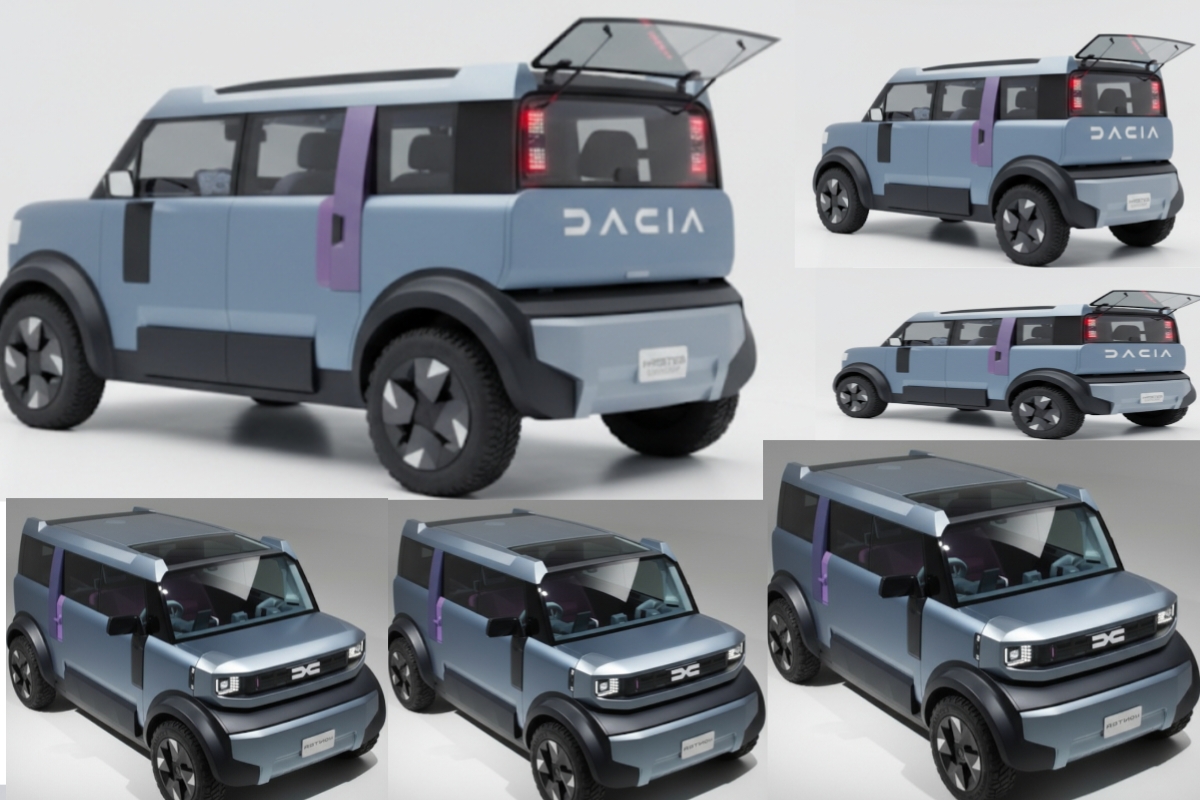
Quick Specs & Highlights
Length: 3.0 m | Width: 1.55 m | Height: 1.53 m
Weight: Under 800 kg | Seats: 4 adults
Estimated range: ~70 miles (112 km) | Boot: 70 L (seats up)
Price indication: Likely below £14,995 if it reaches production
Introduction: Why the Dacia Hipster matters
The electric mobility landscape is changing rapidly, and the Dacia Hipster 2025 proposes a bold — and refreshingly simple — solution
for city driving. This tiny electric hatchback prioritizes low cost, low weight, and practical design over expensive hardware. But does the Hipster
have what it takes to reach production and genuinely influence the market for affordable small EVs? Below is a full, original review that explains
the concept, the design logic, and the real potential behind this lightweight electric car.
The rising cost problem for electric cars
Electric vehicles bring clear environmental benefits, but one persistent issue remains: many EVs are still more costly to produce and purchase than
comparable petrol or diesel cars. Over the past decade, car prices have increased significantly due to new safety regulations and added onboard technology.
The combination of extra equipment, heavier structures, and more complex components has driven up weight and cost — a trend that makes reaching
mass-market affordability a challenge for electric cars.
Dacia’s approach: keep it simple, keep it affordable
Dacia is a manufacturer known for compact, low-cost vehicles, and the Hipster follows that philosophy. After earlier attempts at budget EVs, this
concept pushes the brand’s minimal, cost-conscious thinking into a fully electric package: a lightweight electric hatchback designed
around everyday urban mobility rather than premium features.
A concept born from regulation debates
The Hipster is as much political statement as product concept. Dacia argues that lighter regulation for small electric vehicles would allow
manufacturers to build affordable models at volume. The company’s timing is opportunistic — regulators have discussed creating a lighter category
for small EVs, potentially lowering the barrier for simple, low-cost electric cars to reach consumers.
Design: compact, boxy, and utilitarian
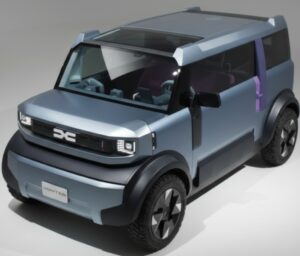
The Hipster’s styling is unapologetically boxy and functional — a modern reinterpretation of classic utilitarian cars. The result is a design that
maximizes interior space while minimizing weight and material usage.
Dimensions & core figures
| Specification | Value |
|---|---|
| Length | 3.0 meters |
| Width | 1.55 meters |
| Height | 1.53 meters |
| Weight | Under 800 kg |
| Seating | 4 adults |
| Luggage | 70 L (rear seats up) |
| Estimated range | ~70 miles (112 km) |
| Estimated starting price | Below £14,995 |
Smart engineering: how Dacia cuts weight and cost
The Hipster reaches its low weight through pragmatic design choices. Reducing complexity and using lightweight components keeps energy consumption low
and manufacturing costs down. Key examples include:
- Fabric pull straps instead of heavy door handles
- Manual sliding windows instead of electric systems
- Mesh seats stretched over an exposed lightweight frame
- Minimal electronics and fewer onboard systems
These measures are all part of a deliberate strategy to make a lightweight electric hatchback that remains comfortable and usable for everyday
urban drivers.
Sustainability: lower lifetime carbon footprint
Dacia claims the Hipster could deliver at least 50% lower lifetime carbon emissions compared with many modern production cars. The smaller
battery, reduced use of raw materials, and less energy-intensive manufacturing all help reduce the whole-life environmental impact of the vehicle.
Also Read https://techscopehub.in/2025-porsche-cayenne-electric-review/
Interior: minimal, modular, and surprisingly practical
The interior is strikingly minimalist but intelligently thought out. Despite compact external dimensions, the cabin accommodates four adults comfortably.
Notable interior features:
- No rear doors — a weight-saving measure that slightly affects access
- Mesh-frame seats that free up rear knee room
- Large glazed areas and a glass roof section for visibility
- Main controls mounted on the steering wheel and a smartphone dock instead of a built-in infotainment unit
The Hipster also uses eleven anchor points inside the cabin for modular accessories, giving owners the ability to clip-in cup holders, armrests, lights,
or storage without built-in complexity.
Also Read https://techscopehub.in/ford-mustang-gtd-2025-review/
Boot and practicality
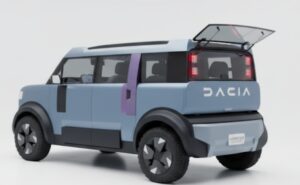
The split tailgate design improves loading flexibility, but when the rear seats are upright the boot offers only about 70 litres — enough for
essentials like charging cables. Folding the seats expands luggage space, making the Hipster suitable for shopping and city errands.
Performance and range expectations
While official performance figures are not published, the Hipster’s estimated range of roughly 70 miles (112 km) should be more than adequate for typical
urban commutes. Dacia suggests a typical user would only need to charge the car twice a week — a convincing claim for a city-focused electric car.
Safety & build quality
The concept opts for minimal active safety electronics and includes two visible airbags for the front occupants. The vehicle’s lightweight structure is
tuned for urban environments and prioritizes maneuverability and efficiency over heavy active-safety hardware.
Pricing and the production question
The Dacia Spring currently begins at about £14,995, and the Hipster is expected to be priced below that mark if it enters production. However, a key
obstacle remains: regulatory acceptance. Wider adoption will depend on how policymakers define and approve a lighter category of small EVs.
Why the Hipster could be a game-changer

The Dacia Hipster demonstrates that low-cost electric cars can be smart, sustainable, and practical. It highlights a broader idea: not every EV needs to
be heavy, expensive, or full of complex electronics to be useful. If adopted at scale, compact EVs like the Hipster could make electric driving
affordable for many more people.
- Ultra-lightweight construction for efficiency
- Lower manufacturing and ownership costs
- Substantially lower lifecycle carbon emissions
- Practical design focused on urban use
Conclusion
The Dacia Hipster 2025 is a compelling vision of an affordable, lightweight electric hatchback that prioritizes functionality and low environmental
impact. While it remains a concept for now, the Hipster points toward a future where smart design choices can make electric cars truly accessible.
If regulators and automakers embrace the idea of a lighter vehicle category, we could soon see cars like the Hipster transform urban mobility — bringing
practical, low-cost electric transport to many more people.

Md Imran Rahimi is the founder and main author of TechScopeHub.in. He is passionate about technology, gadgets, and automobiles, and loves to share simple yet valuable insights with readers. With a focus on honest reviews and clear comparisons, Imran’s goal is to make technology easy and useful for everyone.”