The Turning Point for German Automotive Titans
For decades, Mercedes-Benz, BMW, and Volkswagen symbolized German engineering excellence — luxury, reliability, and innovation.
But today, the world’s automotive landscape is changing dramatically.
At the 2025 IAA Munich Auto Show, these legendary German automakers made a powerful comeback attempt, unveiling a wave of new electric vehicles (EVs) and smart technologies aimed squarely at China’s growing dominance.
Many analysts call this event a “make-or-break moment” for Germany’s auto industry — a final chance to restore its fading prestige before Chinese EV brands completely take over global markets.
China’s Dominance Threatens the German Legacy
China has rapidly become the new king of the global car market.
Automakers like BYD, NIO, and XPeng are not only producing affordable electric cars but also integrating advanced AI systems, autonomous driving, and smart interiors at competitive prices.
Even smaller Chinese companies are now capturing young buyers’ attention with stylish, feature-rich EVs.
That’s a major concern for established German players who once set the benchmark for automotive innovation.
What’s Changing in Car Buyers’ Minds?
Earlier, car enthusiasts focused on power — How strong is the engine? How good are the brakes? What’s the mileage?
But now, the new generation is asking:
- How smart is the car?
- Does it have AI integration?
- Can it drive autonomously?
- How advanced is the infotainment system?
- Can it even talk or sing karaoke with the passengers?
This shift shows that technology and digital experience now matter more than horsepower or torque.
German companies are realizing this — and adapting fast.
BMW, Mercedes, Volkswagen: The German Comeback Plan
At the Munich Auto Show 2025, Germany’s automotive leaders came prepared to fight back.
| Brand | New Launch | Key Highlights | Approx. Price | Market Goal |
|---|---|---|---|---|
| BMW | iX3 (EV SUV) | Smart AI features, improved software, luxury design | ₹50 lakh+ | Premium EV segment |
| Mercedes-Benz | New-gen EQ Series | Enhanced infotainment, self-driving support | ₹60 lakh+ | Luxury electric range |
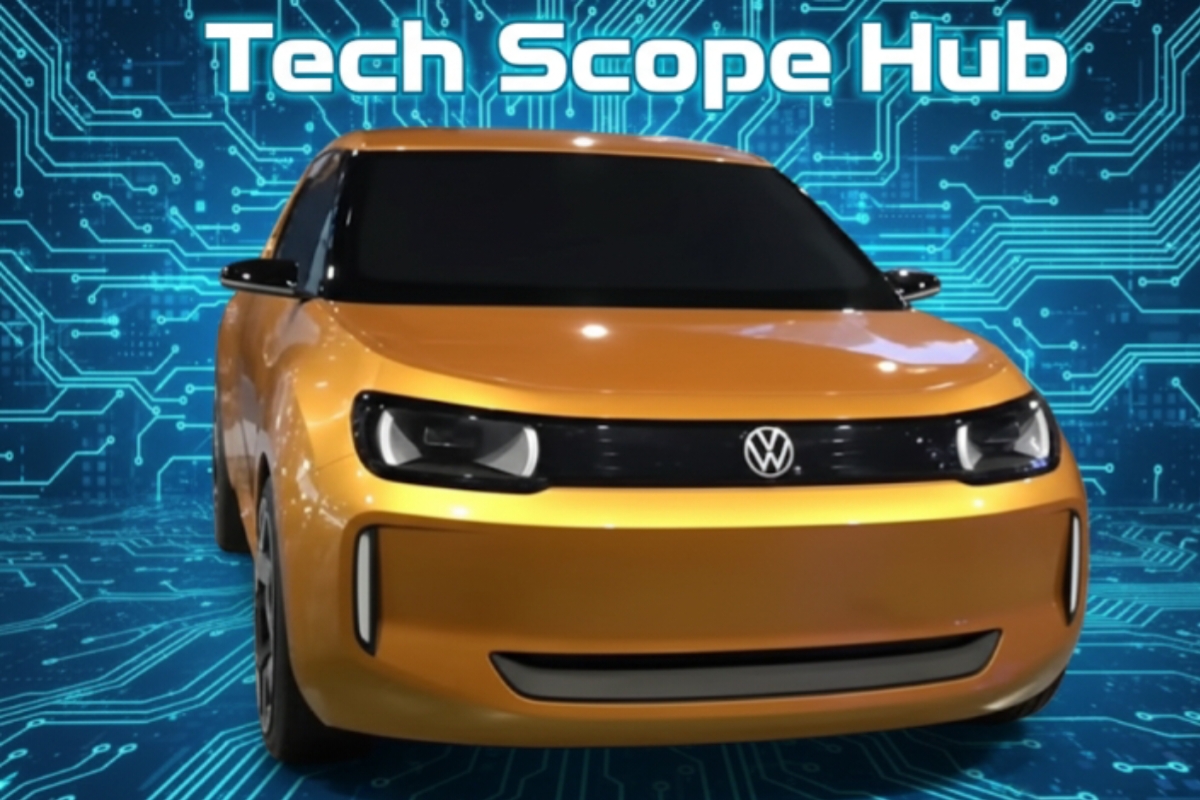
| Volkswagen | ID. Polo | Compact affordable EV, range of 400+ km | ₹25 lakh (approx.) | Mass-market entry-level EV |
Each company showcased smart interiors, AI assistance, automated driving, and advanced connectivity to match (or beat) Chinese rivals.
Even Volkswagen’s ID. Polo, priced around ₹25 lakh, is considered one of the most affordable EVs in Europe — targeting young, first-time electric buyers.
Germany’s Urgency: Compete or Collapse
Experts warn that Germany must evolve quickly if it wants to remain a global auto powerhouse.
While the country has world-class manufacturing, it faces major challenges:
- High electricity costs
- Complex bureaucracy
- Slow digital transformation
As one European industry leader said:
“To attract companies, we need cheaper energy, less red tape, and more innovation. Only then can Europe stay competitive against China.”
Why Chinese Cars Are Winning Hearts
Chinese brands have cracked the code for the modern car buyer:
- Smart features like in-car karaoke and conversational AI
- Automation and self-parking systems
- Advanced battery technology with faster charging
- Affordable pricing with premium quality
They’ve combined all of this while keeping prices 20–30% lower than many European models.
So naturally, when a buyer gets AI features, stylish design, and warranty — all at a lower cost — the choice becomes clear.
At the Munich Auto Show, visitors flocked to Chinese booths displaying not just cars but also robots, air taxis, and next-gen transportation tech — proof that China’s vision extends far beyond traditional automobiles.
India’s Position in the Global Auto Race
While Europe and China battle for dominance, India remains a sleeping giant in the EV sector.
Most Indian car brands were absent from the Munich event, with little new technology or innovation to showcase.
However, global manufacturers still view India as an important future market.
Why India Matters:
- Now the third-largest passenger car market in the world
- Rapidly growing two-wheeler and three-wheeler sectors
- Strong potential for auto parts and component supply
A German auto executive stated:
“India is our future. We already have over 500 employees there and see huge potential — not just for cars but for parts, micro-mobility, and heavy-duty vehicles.”
Still, India’s EV infrastructure remains weak. Without strong government-backed charging networks and incentives, progress will remain slow.
Private investment alone can’t handle such a massive transformation.
Electric Mobility: The Future or the Finish Line?
Every major car company now understands: The future is electric.
But it’s not just about making electric cars — it’s about making them smart, sustainable, and affordable.
That’s why software development, AI integration, and digital driving experiences have become the new battleground.
German automakers are investing heavily in:
- AI-powered driver assistance
- Predictive maintenance
- Immersive infotainment experiences
- Autonomous driving systems
The Prestige Battle: Germany vs. China
This year’s Munich Auto Show clearly showed a split in the crowd.
While German brands put on a strong display of power and precision, Chinese EV booths drew massive attention with futuristic and affordable models.
Visitors marveled at:
- Smart connectivity
- Interactive displays
- Low-cost luxury EVs
- Flying cars and robots
Germany’s reputation for mechanical excellence is still unmatched — but in a world driven by software, automation, and innovation, China has the edge.
What Lies Ahead: Revival or Replacement?
The next few years will decide whether Germany reclaims its automotive crown or cedes it permanently to China.
If German companies can merge their legendary engineering quality with cutting-edge AI and digital tech, they can still win.
But if Chinese automakers continue to deliver innovation, quality, and affordability at this pace — the balance of power may shift for good.
⚙️ Conclusion: The Race for the Future Has Begun
The 2025 Munich Auto Show wasn’t just an exhibition — it was a global showdown.
A battle between legacy and innovation, between heritage and technology.
Germany’s automotive titans — Mercedes, BMW, and Volkswagen — have finally realized that the car of the future is not just powerful, but intelligent.
Now the question remains:
Can these icons reinvent themselves fast enough to survive the electric revolution — or will the new kings from China redefine what it means to drive?
Final Thought:
The race is no longer about horsepower — it’s about brainpower on wheels.

Md Imran Rahimi is the founder and main author of TechScopeHub.in. He is passionate about technology, gadgets, and automobiles, and loves to share simple yet valuable insights with readers. With a focus on honest reviews and clear comparisons, Imran’s goal is to make technology easy and useful for everyone.”