
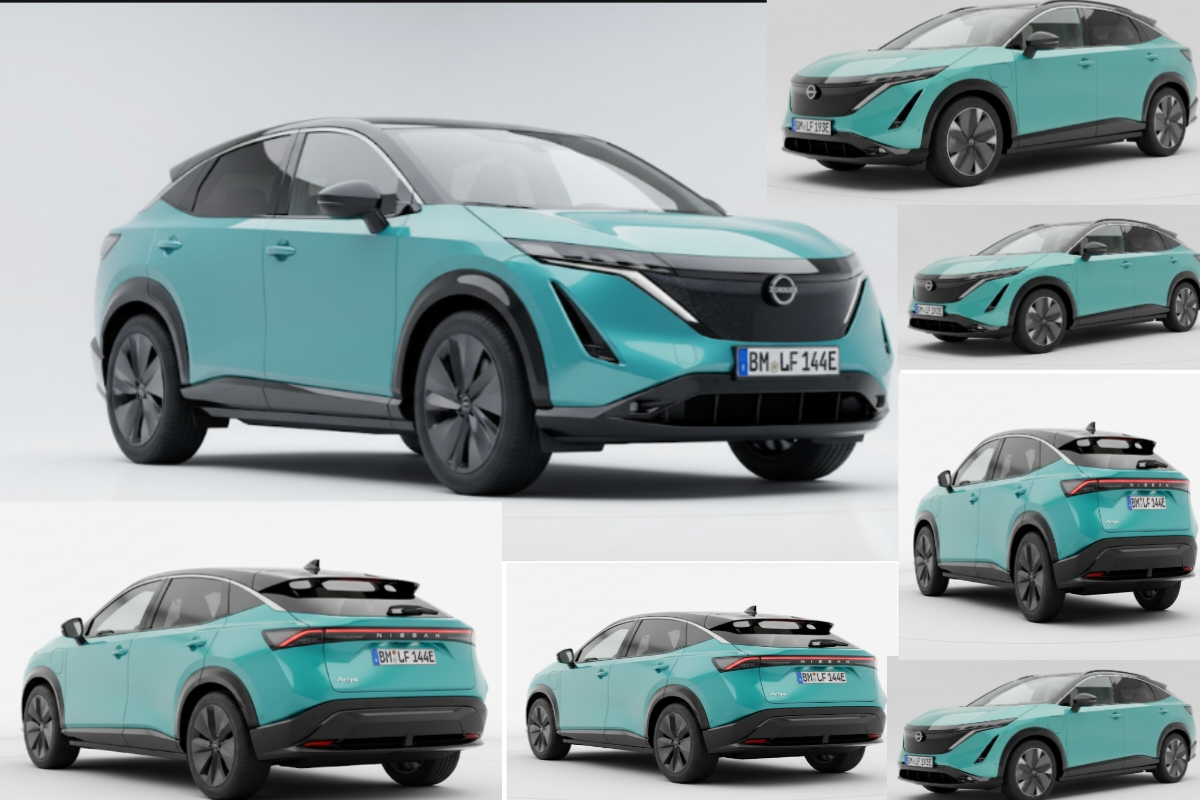
The all-new 2025 Nissan Leaf returns as a stylish electric SUV with impressive range, a modern interior, and strong value. Read our full review covering design, performance, range, charging, practicality, and pricing.
Introduction: A New Era for the Nissan Leaf
The Nissan Leaf 2025 marks a bold reinvention of one of the most iconic electric cars in history. Once a compact hatchback that helped pioneer the EV revolution back in 2010, the Leaf has transformed into a sleek, fully electric SUV. With a completely new design, improved range, advanced battery options, and a more premium cabin, the third-generation Leaf aims to win back buyers in a competitive small electric SUV market.
A Look Back: The Legacy of the Nissan Leaf
When the first-generation Nissan Leaf debuted in 2010, it was a true trailblazer — introducing electric driving to a mainstream audience long before EVs became common. Its simplicity, affordability, and practicality made it one of the best-selling electric cars in the world at the time. However, as rivals arrived with fresher technology and longer range, the Leaf gradually fell behind. Fifteen years on, the EV landscape has changed dramatically, and the new Leaf 2025 arrives ready to face a new generation of competitors.
From Hatchback to SUV: A Major Transformation
For 2025, Nissan has moved the Leaf from a traditional hatchback to a compact electric SUV built on the CMF EV platform — the same base used by the larger Ariya and several Renault electric models. This new shape puts the Leaf in direct competition with models such as the Kia EV3, BYD Atto 2, Renault 4 Electric, Jeep Avenger EV, and Skoda Elroq.
Nissan Leaf 2025 — Key Specifications
| Specification | Detail |
|---|---|
| Body Type | Compact Electric SUV |
| Platform | CMF EV (shared with Ariya, Renault EVs) |
| Battery Options | 52 kWh / 75 kWh |
| Range (Official) | Up to 386 miles (WLTP) |
| Power Output | 174 bhp / 214 bhp |
| 0–62 mph | 8.3s (52 kWh) / 7.6s (75 kWh) |
| Charging Speed | 105 kW (small) / 150 kW (large) |
| Drive Type | Front-Wheel Drive |
| Boot Capacity | 437 litres |
| Starting Price (UK) | Around £33,000 |
| Top Trim Features | Dual 14.3″ screens, smart glass roof, Google-based infotainment |
Interior: Modern, Minimal, and Premium
The cabin of the 2025 Nissan Leaf is a big step up from earlier models. The old, cluttered dashboard has been replaced by a clean, tech-focused layout with dual displays. Top trims get twin 14.3-inch touchscreens (12.3-inch on base trims) running a Google-based infotainment system. Apple CarPlay and Android Auto come standard, and the graphics look sharp.
A practical touch is the presence of permanently visible climate icons for quick adjustments — these are touch-sensitive but placed within easy reach rather than buried inside menus. Higher-spec models also offer a smart glass sunroof that switches between transparent and opaque.
Also Read https://techscopehub.in/2025-nissan-leaf/
Comfort and Seating: Roomy Yet Not Perfect
The driving position is slightly elevated compared with regular hatchbacks, but it’s not a tall SUV perch like some rivals offer. Seats are comfortable overall, with light and dark color options. However, the seat base feels a touch short, which may leave taller drivers wanting more thigh support.
Rear legroom is generous and a flat floor helps middle-seat comfort. Headroom is tighter due to a sloping roofline, so taller rear passengers may feel snug. Rear seats don’t slide or recline, which reduces flexibility versus some competitors.
Boot Space and Practicality
The Leaf’s boot offers 437 litres of usable space in a neat, boxy shape and a large opening for easy loading. An adjustable two-level boot floor and 60:40 split-folding rear seats add practicality, though there’s no ski hatch and no front trunk (frunk).
Battery and Range: Major Upgrades
Where the new Leaf truly shines is range. The previous-generation Leaf’s small battery now looks outdated beside the latest options:
- 52 kWh — about 270 miles official range.
- 75 kWh — up to 386 miles official range.
The larger pack also includes a heat pump as standard, improving efficiency in colder weather. In range terms, the Leaf outperforms the Renault 4 and Skoda Elroq, and matches or betters many versions of the Kia EV3.
Charging Performance
An important improvement: the 2025 Leaf uses modern CCS fast charging (the old model used CHAdeMO). Charging figures are:
- 52 kWh: up to 105 kW
- 75 kWh: up to 150 kW
Both batteries can typically charge from 20% to 80% in around 30 minutes on appropriate chargers. Home charging on a wallbox takes about 8.5 hours for the small battery and 11.5 hours for the large battery.
Driving Experience: Smooth but Average
On the road the Leaf is comfortable and predictable. The 75 kWh model’s 214 bhp motor provides brisk acceleration, with 0–62 mph in 7.6 seconds (the 52 kWh car does it in 8.3s). Suspension is cushioned but can feel slightly unsettled on rough surfaces, while body roll is noticeable in sharper corners. The Leaf prioritises comfort over sporty handling.
One useful feature is the one-pedal driving mode, which allows the car to come to a full stop when you lift off the accelerator — ideal for stop-start urban driving and reducing brake use.
Braking and Steering
Steering is accurate and confidence-inspiring for everyday driving, but the brake pedal feel is a weak point — it can feel light and inconsistent, making smooth stops harder to judge than in some rivals.
Also Read https://techscopehub.in/nissan-leaf-ccs-adapter-review-2025/
Trim Levels and Equipment
The Leaf will be offered in four trims:
- Engage
- Engage Plus
- Advance
- Evolve
Full equipment breakdowns are pending, but Nissan expects the higher trims — especially with the 75 kWh battery — to be the most popular. Top trims will include premium finishes, dual screens, adaptive LED lighting, and the smart glass sunroof.
Pricing and Value for Money
UK pricing is expected to start at around £33,000 for the 52 kWh version and rise to about £36,000 for the 75 kWh model. The Leaf is likely to qualify for the UK plug-in grant, which would further improve its value proposition and bring the effective entry price below £30,000 — making it highly competitive in its segment.
Verdict: Is the 2025 Nissan Leaf Worth It?
The 2025 Nissan Leaf may not be the most dynamic car in the small electric SUV class, but it hits the key notes: excellent range (especially with the 75 kWh battery), a comfortable and well-finished cabin, modern charging, and strong value potential. For buyers prioritising range, usable interior space, and affordability, the Leaf is a compelling choice.
Final Thoughts
- Excellent range for the price
- Comfortable and quiet cabin
- Competitive charging speeds
- Premium-quality interior materials
- Strong value with likely incentives
- Brake pedal feel could be better
- Rear headroom is tight for tall passengers
- Handling is competent but not class-leading
Conclusion
The Nissan Leaf 2025 proves evolution can be revolutionary. It keeps the Leaf’s original mission — making electric driving accessible — while bringing the model up to date with modern range, charging, and interior technology. If you want a reliable, long-range, affordable electric SUV, the new Leaf is definitely worth a close look.

Md Imran Rahimi is the founder and main author of TechScopeHub.in. He is passionate about technology, gadgets, and automobiles, and loves to share simple yet valuable insights with readers. With a focus on honest reviews and clear comparisons, Imran’s goal is to make technology easy and useful for everyone.”