
Introduction
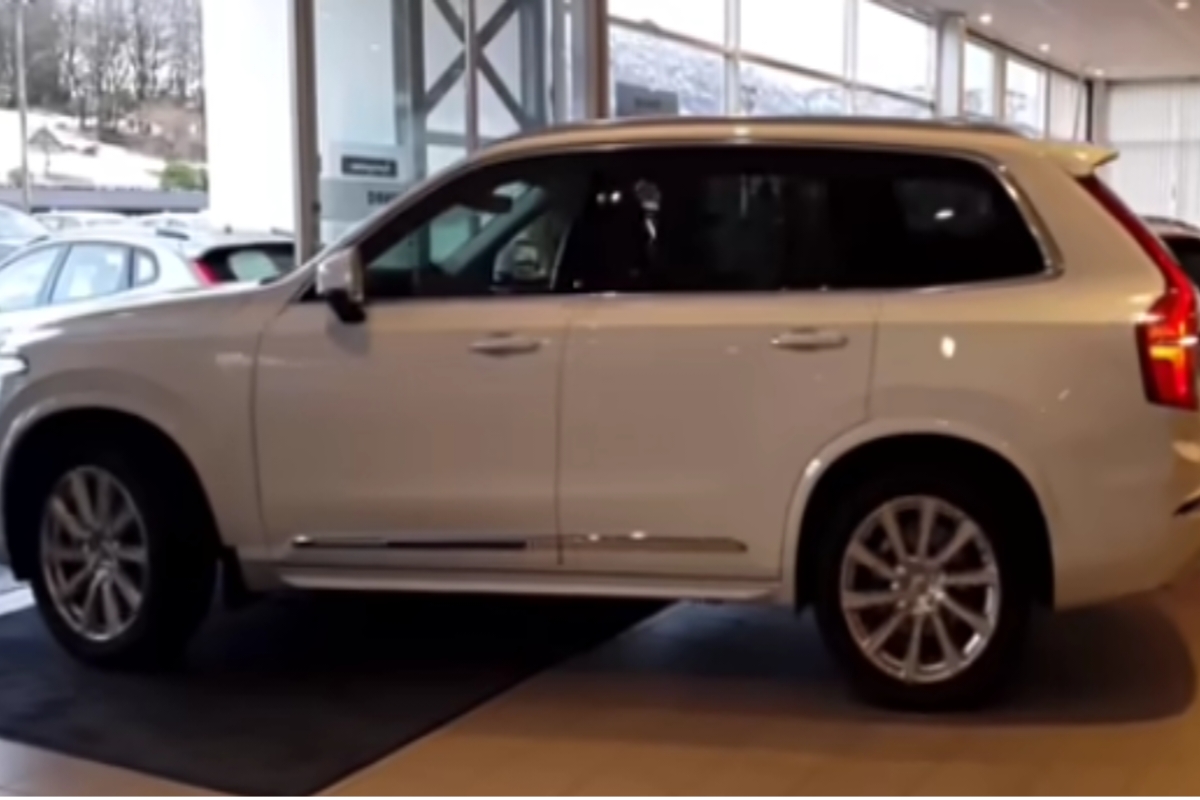
The 2026 Volvo EX60 is shaping up to be one of the most significant electric SUVs from Volvo in the past decade. Positioned between the EX40 and EX90, this mid-size electric SUV promises to combine luxury, performance, and practicality in a new SPA3 platform, built for modern EV expectations. While details are still emerging, the EX60 is already generating excitement due to its anticipated battery size, range, charging speeds, and Volvo’s signature Scandinavian design. In this article, we provide a detailed preview of the Volvo EX60, highlighting what makes it special, potential specifications, and how it compares to key competitors in its segment.
Launch Date and Positioning
Volvo has confirmed the EX60 launch for January 21, 2026. As a mid-size SUV, it will sit between the compact EX40 and the flagship EX90. At an estimated length of around 4.8 meters, the EX60 is slightly larger than the combustion hybrid XC60 but smaller than the XC70 hybrid. This positioning makes it ideal for buyers looking for more space than a compact SUV but without moving into full-size territory. Price estimates suggest the EX60 will start between €65,000 and €70,000 in Europe, positioning it competitively between the EX40 (€50,000) and EX90 (€85,000).
Platform and Engineering
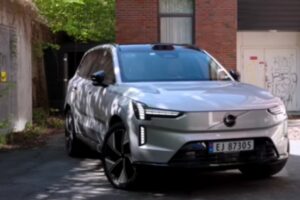
The EX60 will debut Volvo’s new SPA3 platform, a next-generation EV architecture replacing SPA2. Unlike the Zeekr 7X’s SEA platform, SPA3 is Volvo’s own development, designed to improve efficiency, handling, and modularity. The SPA3 platform also supports high-performance dual motors, all-wheel-drive configurations, and fast charging capabilities, making it future-ready and ensuring Volvo remains competitive against rivals like BMW iX3, Mercedes GLC EQ, and Audi Q6 e-tron.
Battery and Range
Expected battery options range between 95 kWh to 100 kWh usable capacity. With a 95 kWh pack, WLTP range is projected to reach approximately 600 km, while larger battery options may extend that further. Peak charging rates of 350 kW on an 800V architecture are likely, allowing 10-80% charge in roughly 15–20 minutes. This keeps the EX60 competitive in an increasingly demanding mid-size EV segment, where range, charging speed, and energy efficiency are key buying factors.
Exterior Design
Only limited images have been released, but the EX60’s rear design appears heavily inspired by the XC70, featuring sharp lines, angular shapes, and modern Scandinavian styling cues. Its exterior is expected to maintain Volvo’s understated luxury ethos with clean lines, premium lighting elements, and a balanced profile that complements urban driving and highway cruising. Early impressions suggest the EX60 will continue Volvo’s recent trend of delivering visually stunning yet practical electric SUVs.
Interior Expectations
While official details are scarce, it is anticipated that the EX60 will align closer to the EX90 interior rather than the XC70, favoring vertical infotainment screens, premium materials, and high-quality finishes. Volvo is expected to emphasize user-friendly interfaces, sustainable materials, and spacious cabin design for both driver and passengers. This aligns with Volvo’s commitment to modern luxury EV interiors without compromising functionality or ergonomics.
Performance and Drivetrain
Based on SPA3, the EX60 is expected to feature dual-motor AWD systems for high performance. Although exact figures are not confirmed, acceleration is likely competitive with segment leaders like the Zeekr 7X, BMW iX3, and Mercedes GLC EQ. Volvo’s engineering focus on handling, ride comfort, and safety is expected to ensure a balanced driving experience that does not compromise control for power.
Charging and Technology
The EX60 will likely support 350 kW peak charging with 800V battery architecture, similar to rivals, allowing rapid top-ups on public fast chargers. Technology features are expected to include adaptive cruise control, advanced driver-assist systems, proximity key access, and Volvo’s next-gen infotainment software optimized for speed and reliability. All European safety mandates will be met, including lane-keeping assist, driver monitoring, and automatic reactivation of safety systems after ignition cycles.
Interior Space and Practicality
With its mid-size dimensions, the EX60 is projected to provide comfortable space for five passengers, generous rear legroom, headroom, and ample cargo capacity. Compared to the EX40, it offers enhanced rear-seat comfort, while still remaining more manageable than the full-size EX90. This balance makes it appealing to urban families, long-distance commuters, and those who want luxury and practicality without an oversized vehicle footprint.
Competitor Comparison: BMW iX3
The BMW iX3 has surprised the market with a large 108.7 kWh usable battery, providing significant range advantages. While the EX60 may have a slightly smaller pack initially, Volvo is expected to compete with similar peak charging speeds, performance, and a luxury-focused cabin. Price and battery strategy will be crucial in positioning the EX60 as a strong competitor against BMW in Europe and other EV markets.
Competitor Comparison: Mercedes GLC EQ
The GLC EQ offers a familiar mid-size luxury SUV experience with strong brand appeal. While Mercedes provides high-quality interiors and comfort, the EX60 may differentiate itself with SPA3 platform efficiency, slightly better range, and Volvo’s Scandinavian styling. Buyers seeking a blend of safety, design, and practical EV range may find the EX60 an attractive alternative.
Competitor Comparison: Zeekr 7X & Audi Q6 e-tron
The Zeekr 7X shares some corporate design DNA with Volvo’s competitors but runs on a different platform. The Audi Q6 e-tron, launched about a year ago, is increasingly outdated due to its smaller cabin, limited battery, and slower charging. The EX60’s modern platform, charging speed, and expected interior quality position it well above these rivals, giving Volvo a competitive edge in practicality and luxury.
Pricing and Market Positioning
With projected pricing between €65,000–€70,000, the EX60 slots between EX40 and EX90, offering mid-size SUV buyers a premium, yet competitively priced EV. Optional battery upgrades, AWD variants, and technology packages are expected to provide flexibility to match competitors’ offerings. Strategic pricing will be critical to maintain Volvo’s market appeal while delivering value against strong European and Chinese EV competitors.
Pros & Cons (Expected)
Pros:
• Modern SPA3 platform
• Mid-size practicality with premium interior
• Competitive charging speeds
• Anticipated long-range battery options
• Expected Volvo safety and comfort standards
Cons:
• Battery size may initially lag behind BMW iX3
• Pricing may approach upper-mid segment
• Interior and tech details not fully confirmed yet
Final Thoughts
The 2026 Volvo EX60 promises to be a significant step forward in Volvo’s EV lineup. Combining mid-size practicality, premium interiors, modern SPA3 platform, and competitive charging speeds, it could redefine the segment. While exact specifications are still emerging, the EX60 is well-positioned to compete with BMW iX3, Mercedes GLC EQ, Zeekr 7X, and Audi Q6 e-tron. For buyers seeking a balance between luxury, range, performance, and practicality, the EX60 may become a new benchmark for mid-size electric SUVs in 2026.
Conclusion
In conclusion, the Volvo EX60 2026 represents Volvo’s commitment to modern EV design, performance, and safety. Anticipated features like SPA3 platform efficiency, 95–100 kWh battery options, and rapid 350 kW charging make it a strong contender in the mid-size luxury EV segment. While competitors offer unique advantages, the EX60’s combination of design, practicality, and brand reliability could make it a standout choice for European and global EV buyers. Keep an eye on the January 2026 launch for official specifications, pricing, and detailed performance insights.

Md Imran Rahimi is the founder and main author of TechScopeHub.in. He is passionate about technology, gadgets, and automobiles, and loves to share simple yet valuable insights with readers. With a focus on honest reviews and clear comparisons, Imran’s goal is to make technology easy and useful for everyone.”