Unlocking Faster Charging: A 2025 Review of the CCS Adapter for the Nissan Leaf
For years, Nissan Leaf owners have been tethered to the CHAdeMO fast-charging standard, watching as the world increasingly shifted towards the dominant CCS (Combined Charging System). As CHAdeMO stations become less common, especially in Europe and North America, Leaf owners face a growing challenge on long journeys. However, a new solution has emerged: the CCS compatibility adapter.
This in-depth review for 2025 explores whether this adapter is a mere novelty or a genuine game-changer for extending the life and utility of the Nissan Leaf.
Real-World Testing: From Theory to Practice
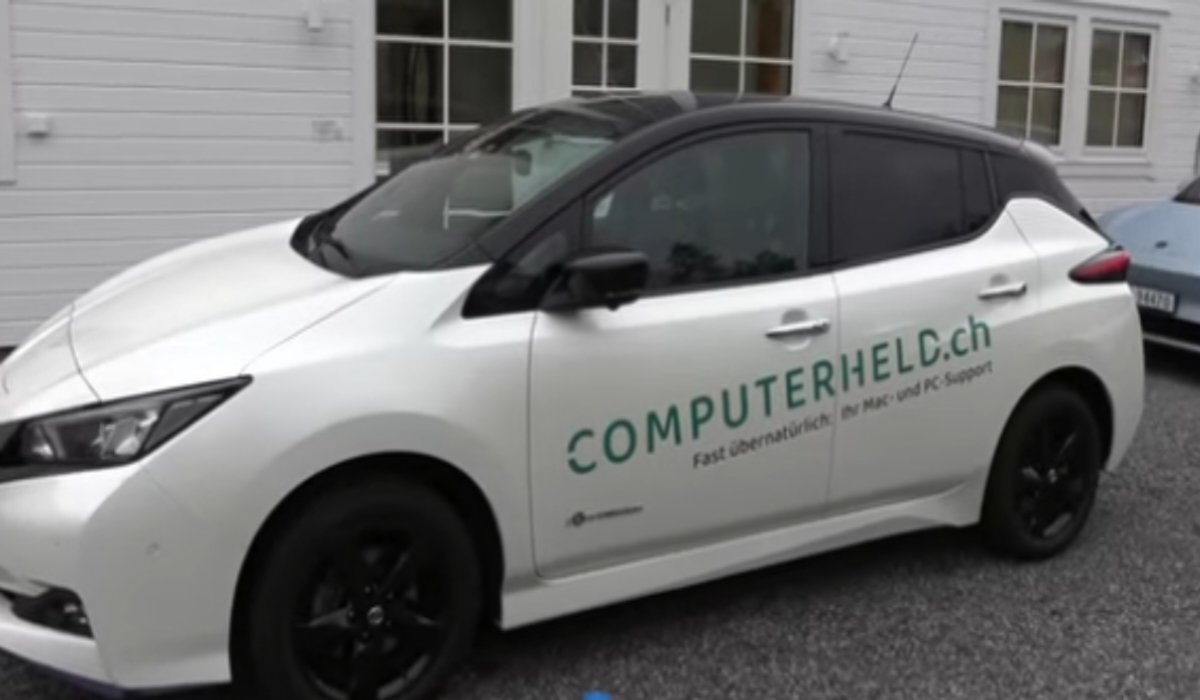
To put the adapter through its paces, we tested it with a well-maintained Nissan Leaf e+ (62 kWh battery) with over 136,000 km on the odometer. The vehicle, primarily charged at home with AC power, showed a healthy battery State of Health (SoH) of 87.7%, indicating moderate degradation typical for its age and mileage.
The goal was simple: test the adapter’s functionality, charging speed, and overall impact on the Leaf’s long-distance travel capabilities.
The Charging Experience: V4 vs. V3 Superchargers
Our testing revealed a crucial point of compatibility. While the automotive world is moving towards newer V4 Superchargers, we encountered initial handshake issues when attempting to use the adapter at a V4 station. The adapter would time out after a minute, failing to initiate a charging session.
However, switching to a more widely available V3 Supercharger yielded immediate success. The process was straightforward:
- Plug the CCS adapter into the vehicle’s CHAdeMO port
- Select the charger on the station’s screen or app
- Connect the CCS plug from the Supercharger into the adapter
- The adapter performs its handshake, and charging begins seamlessly
Charging Performance & Speed Analysis
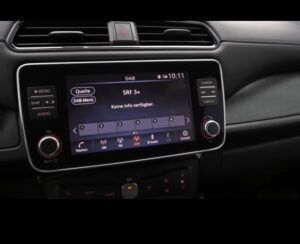
The results were impressive. The Leaf e+ started charging at a peak rate of 71 kW with a battery state of charge (SoC) around 14%. This is a significant jump from the typical ~50 kW limit of many standard CHAdeMO chargers.
| Metric | Observation |
|---|---|
| Peak Charging Speed | 71 kW |
| Starting Battery SoC | ~14% |
| Adapter Current Limit | Capped at 200A |
| Speed at 64% SoC | ~45 kW |
| Time Saved vs. 50kW | Approximately 15 minutes for a 30 kWh top-up |
The charging curve followed the Leaf’s typical behavior, with power tapering off as the battery filled. The key advantage of the adapter is most apparent in the low to mid state-of-charge range, where it maximizes the car’s inherent charging capability, which is often stifled by slower CHAdeMO infrastructure.
Is the CCS Adapter a Worthy Investment for Leaf Owners?
Let’s weigh the pros and cons to determine the adapter’s true value.
The Advantages: Why It’s a “Game Changer”
- Access to a Vast Network: Unlock thousands of CCS-compatible fast chargers, including Tesla Superchargers and major networks
- Faster Charging Speeds: Charge closer to the vehicle’s maximum potential, reducing waiting times
- Future-Proofing Your EV: Extends the functional lifespan of your Nissan Leaf as CHAdeMO phases out
The Considerations & Limitations
- High Initial Cost: Represents a significant investment for EV owners
- Compatibility Quirks: Newer V4 Supercharger cables may present challenges
- Thermal Management: Leaf’s passive cooling requires careful monitoring during repeated fast charging
- Diminishing Returns: Speed advantage reduces as battery fills above 50%
Battery Health & Long-Term Viability

The test vehicle, despite its high mileage, demonstrated that a Leaf primarily used for daily commuting and AC charging can maintain good battery health. With a State of Health of 87.7%, it has retained most of its original capacity.
Key Maintenance Tip for Leaf Owners: While this test vehicle was often charged to 100%, for optimal long-term battery health, it is generally recommended to avoid regularly charging to maximum capacity when possible. Unfortunately, the Leaf’s onboard system does not allow for setting a charging limit, which is a drawback compared to newer EVs.
Final Verdict for 2025
The CCS adapter for the Nissan Leaf is far more than a niche accessory. It is a practical and powerful tool that breathes new life into a beloved EV.
Who is it for?
- Frequent Road Trippers: Regular long-distance drivers will find the time savings invaluable
- Owners in CCS-Dominant Regions: Essential for areas where CHAdeMO is already scarce
- Leaf Owners Planning to Keep Their Car Long-Term: Best insurance against CHAdeMO phase-out
Who might skip it?
- Primarily City Drivers: If you mostly charge at home, cost may be hard to justify
- Owners of Older 40 kWh Leafs: Speed boost may be less significant, though network access remains beneficial
Conclusion
While the initial investment is steep and compatibility checks are necessary, the freedom and future-proofing offered by the CCS adapter make it a highly recommended upgrade for any serious Nissan Leaf owner looking to maximize their electric vehicle’s potential in 2025 and beyond.
Why is the Leather Different on Half of This Lamborghini’s Interior?The Answer is in This Review.

Md Imran Rahimi is the founder and main author of TechScopeHub.in. He is passionate about technology, gadgets, and automobiles, and loves to share simple yet valuable insights with readers. With a focus on honest reviews and clear comparisons, Imran’s goal is to make technology easy and useful for everyone.”