
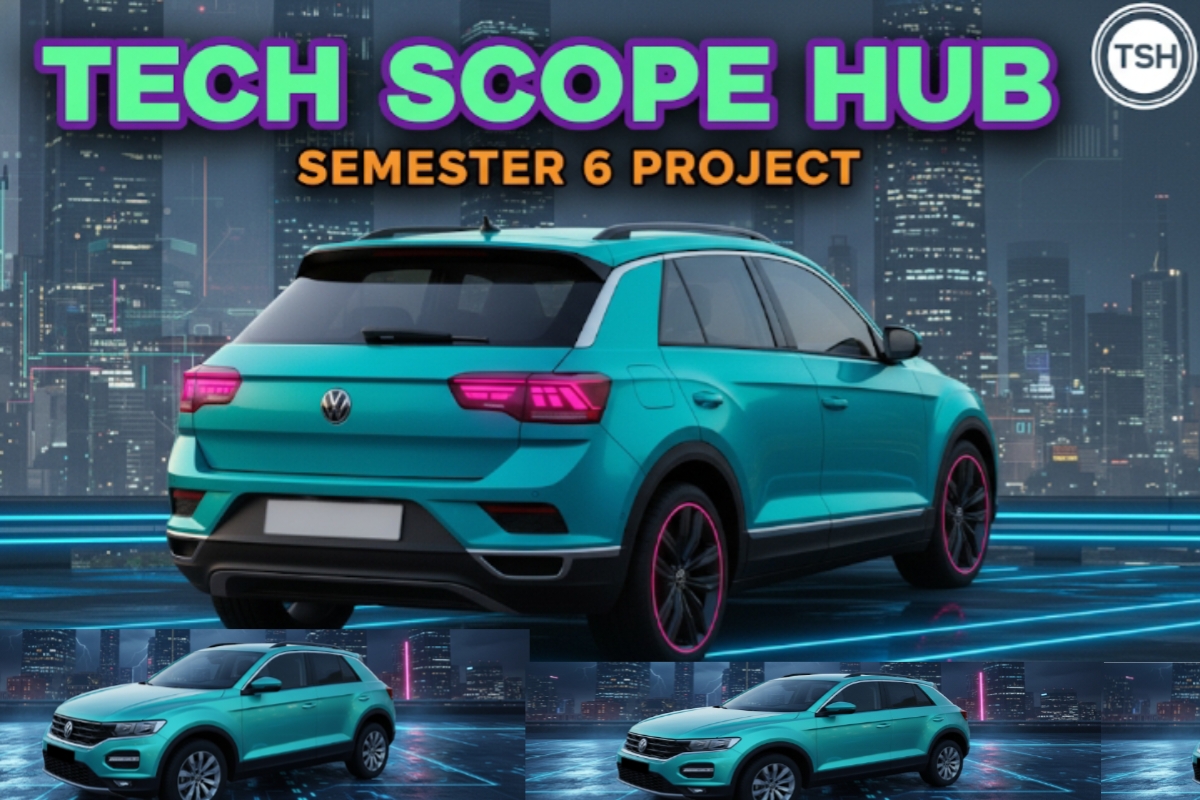
Quick overview & key specs
| Specification | Details |
|---|---|
| Model years | 2017 – 2026 |
| Body type | Compact crossover / small SUV |
| Common engines | 1.0L TSI (3-cyl), 1.5L TSI (4-cyl), 2.0L petrol / 2.0L TDI diesel |
| Transmission | 6-speed manual, 7-speed DSG automatic |
| Drive | FWD or 4Motion AWD |
| Boot space | 445 L (FWD) — around 392 L with AWD |
| 0–62 mph (1.5L) | ~8.5 seconds |
| Used price range (2026) | £9,000 – £18,000 depending on age, trim & mileage |
Introduction — who is the T-Roc for?
The T-Roc targets buyers who want a compact family car with a raised driving position, practical boot and a touch of premium styling without paying premium prices for a larger SUV. Think city families, commuters who like weekend trips and buyers who prefer understated looks over flashy badges. If you’re seeking a used VW T-Roc under £10,000, you’ll likely be looking at earlier 2017–2019 models — and that can be excellent value when you pick the right engine and trim.
Exterior design — classy, balanced and practical

Styling is one of the T-Roc’s strongest points. Volkswagen has given it a mature, grown-up look that feels more premium than the price suggests. The front end is neat rather than aggressive; sharp LED headlamps and a tidy grille give it presence without screaming for attention. Roof rails and an available contrasting roof colour add personality on higher trims.
- Generous ground clearance for its class — easier entry and better presence.
- Contrasting roof and mirrors on select trims make the car stand out.
- Large rear spoiler completes a tidy, well-balanced rear design.
Practicality & boot space — very family friendly
A key selling point is practicality: 445 litres of boot space is larger than a Golf and the 60/40 split rear seats fold flat to create a very usable load area of more than 1,200 litres.
- Adjustable boot floor for flexible storage.
- Ski hatch and shopping hooks for everyday convenience.
- 4Motion AWD versions reduce boot capacity slightly — worth noting if you regularly carry large loads.
Interior space & build quality
Inside, the T-Roc offers surprising space for both front and rear passengers. Rear headroom and legroom are generous compared with many rivals in the compact SUV segment, making it easy to fit two adults comfortably in the back.
Cabin features
- Dual USB-C ports front and rear on many models.
- Large door bins, decent cubby space and a slide-adjustable centre armrest.
- ISOFIX anchor points for child seats on the rear bench.
- 8-inch infotainment with Apple CarPlay & Android Auto (some models may have larger screens).
Build quality caveat: the cabin uses a fair amount of hard plastics on the dash and lower panels. The layout is sensible, and ergonomics are very good, but the materials feel less premium than the exterior styling suggests. Over the years some owners report scuffs and brittle panels if the car has been left in harsh sun — visually it ages faster than rivals with softer surfaces.
Also Read https://techscopehub.in/inside-the-2026-track-day-experience/
Engine options & which to choose
One of the most important parts of any used car decision is choosing the right engine. For the T-Roc there are a few distinct choices and they matter.
| Engine | Cylinders | Power | Recommended? |
|---|---|---|---|
| 1.0L TSI | 3 | 113 hp | No — underpowered for many driving situations |
| 1.5L TSI | 4 | ~150 hp | Yes — best all-round balance of economy & performance |
| 2.0L TSI | 4 | 190–300 hp | Yes if you want performance (T-Roc R is hot hatch-like) |
| 2.0L TDI | 4 | ~150 hp | Yes — great for long miles & economy |
Avoid the 1.0L 3-cylinder if you can — it can feel laboured, especially on hills or motorway overtakes. The 1.5L TSI offers cylinder deactivation for better fuel economy at steady speeds and is the most practical choice in the used market. Diesel 2.0L TDI models remain attractive for high-mileage drivers thanks to superior mpg figures.
Driving experience — a raised Golf with familiar dynamics

Behind the wheel the T-Roc feels very much like a jacked-up Golf. Steering is light and communicative, the chassis is composed and body roll is well controlled for a small SUV. The ride strikes a comfortable balance — not too soft, not too firm — and VW’s setup gives drivers confidence in town and on twisty B-roads.
What it feels like on the road
- City driving: easy to place and park, good visibility from the higher seating position.
- Motorway: stable and composed at speed, especially with the 1.5L or 2.0L engines.
- Hills & overtakes: the 1.0L struggles; choose 1.5L or 2.0L for better mid-range pull.
Transmission choices — manual vs DSG
The T-Roc was offered with both a six-speed manual and a seven-speed DSG automatic. Manuals are simple, reliable and cheaper to repair. The DSG automatics are smooth and fast but later dry-clutch DSG units have been criticized for being harder to service and more likely to need expensive repairs when worn.
Safety & technology
Even entry-level T-Roc models are well equipped with safety tech:
- Adaptive Cruise Control (radar based)
- Autonomous Emergency Braking
- Lane Keep Assist
- Electronic parking brake with auto-hold
- ISOFIX child seat anchors
Higher trims add parking sensors, a reversing camera, sunroof and upgraded infotainment/navigation packages. VW’s safety hardware helps the T-Roc score well in real-world safety and resale terms.
Common faults & reliability
Overall, reliability is average for a modern European car — not class-leading but not catastrophic either. Typical issues reported by owners include:
Known problems
- “Kangarooing” — jerky acceleration when cold on some petrol engines (software update often cures this).
- Infotainment glitches — occasional freezing or reboots; software updates usually fix it.
- AdBlue sensor faults on some diesels — can trigger warnings even when the tank is full.
- Scratches and scuffs on hard interior plastics from wear and sun exposure.
None of these are typically crippling, but they are annoyances and explain why the T-Roc sits in the middle of the reliability pack rather than at the top.
Also Read https://techscopehub.in/datsun-240z-review/
Running costs: MPG, tax and insurance
Here’s a realistic guide to running costs:
- 1.0L petrol: ~45–48 mpg combined in mixed driving (best economy only in light use).
- 1.5L petrol: ~47–50 mpg combined (good real-world compromise thanks to cylinder deactivation).
- 2.0L diesel: ~55–60 mpg combined — best for high annual mileage drivers.
- UK road tax: most petrol/diesel T-Rocs fall around ~£190 per year (check specific vehicle CO₂ bands).
- Insurance groups typically fall in the mid-range (Group 11–20) — depends on engine & trim.
How the T-Roc compares to rivals (2026)
| Model | Used starting price (2026) | Boot | Why choose? |
|---|---|---|---|
| VW T-Roc | £9,000+ | 445 L | Classy look, balanced drive, good safety kit |
| Nissan Qashqai | £8,500+ | 504 L | Proven reliability, soft ride, roomy boot |
| Kia Sportage | £10,000+ | 503 L | Long warranty reputation, value |
| Mazda CX-30 | £11,000+ | 430 L | Premium interior feel, engaging drive |
| Mercedes GLA (2016–2019) | £10,000+ | 481 L | More refinement & badge appeal |
Pros & Cons — quick summary
- Premium, understated styling
- Practical boot and family-friendly interior
- Strong standard safety equipment
- Good resale value relative to rivals
- Interior plastics feel cheap for the segment
- Avoid the underpowered 1.0L unless economy is the only priority
- DSG dry-clutch units have potential long-term reliability worries
- Some software/infotainment niggles reported
Buying checklist — inspect before you buy

When shopping for a used T-Roc (especially if your target is a used T-Roc under £10,000), follow this checklist:
Ownership tips & maintenance recommendations
- Keep up with DSG fluid & filter change intervals if you have a wet-clutch DSG — check VW service schedule.
- For manual cars, ensure clutch and gear linkage feel positive — a slipping feel can be expensive later.
- Address infotainment or ECU updates early at a VW dealer — many niggles are software related and are cheap to fix when covered by recall/updates.
- Park in shade where possible to protect plastic trim from accelerated ageing.
Who should buy a VW T-Roc in 2026?
The T-Roc is ideal if you want a compact SUV that looks and feels more premium than its price suggests, offers practical family space and strong safety kit, and if you pick the right engine — the 1.5 TSI or 2.0 TDI — it makes sense as a reliable daily. If you prioritise a plush interior or absolute reliability, consider the Kia Sportage or Mazda CX-30 alternatives instead.
Final verdict — is the 2026 Volkswagen T-Roc worth it?
In short: yes — with conditions. The T-Roc is a sensible, stylish and practical compact SUV that will keep most families happy. But avoid the base 1.0L engine and be mindful about DSG history. If you aim for a well-specified 1.5 TSI (or the 2.0 diesel for high mileage), choose a good service history and sensible mileage, and you’ll own a comfortable, safe and classy small SUV that represents good value — especially if you can find a tidy example close to or under £10,000.
https://techscopehub.in/unveiling-the-2026-chevrolet-corvette-c7/

Md Imran Rahimi is the founder and main author of TechScopeHub.in. He is passionate about technology, gadgets, and automobiles, and loves to share simple yet valuable insights with readers. With a focus on honest reviews and clear comparisons, Imran’s goal is to make technology easy and useful for everyone.”